
Key Highlights & Insights
- AI and energy are becoming interdependent, with energy being crucial for AI development and AI driving efficiencies in energy production.
- NVIDIA and the DOE are collaborating to create AI supercomputers that accelerate scientific research while focusing on energy efficiency.
- The Genesis Mission aims to merge AI with scientific discovery, particularly in advanced energy technologies like fusion and modular reactors.
- AI is set to transform grid interconnection processes, significantly reducing the time needed and boosting operational efficiency.
- Increased energy production and AI integration can potentially lower electricity costs, contrary to public concerns.
Powering AI Through Energy: A New Era of Discovery
The convergence of artificial intelligence (AI) and energy is opening new frontiers in technology and scientific discovery. This narrative was the focal point of a recent discussion between U.S. Energy Secretary Chris Wright and NVIDIA Vice President Ian Buck at the SCSP AI+ Expo. This event highlighted the pivotal role that energy, as a catalyst, plays in advancing AI capabilities and scientific exploration.
AI-Driven Energy Initiatives
Central to this discussion was the Genesis Mission, initiated by the U.S. Department of Energy (DOE) with the participation of NVIDIA. This mission aims to integrate AI into scientific discovery processes. Leveraging nearly two decades of collaboration between NVIDIA and national laboratories, the mission underscores the potential of AI in revolutionizing energy production and utilization.
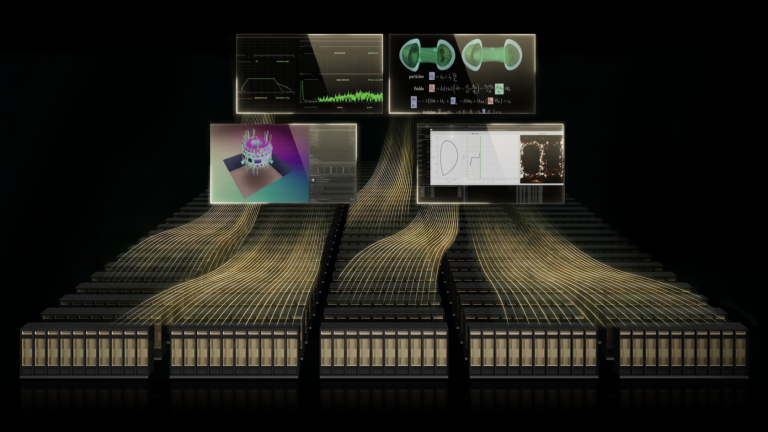
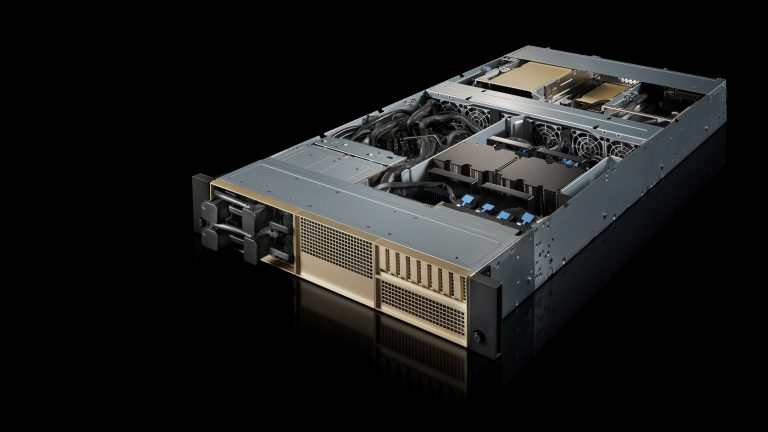
NVIDIA’s commitment is evidenced by their contribution to building supercomputers at Argonne National Laboratory – Equinox and Solstice. These AI supercomputers are powered by NVIDIA’s advanced GPUs, enabling researchers to accelerate scientific research.
Transforming the Energy Landscape
Wright emphasized that energy is the backbone of AI advancement, expressing concerns about the stagnation in electricity production amidst heightened oil and gas outputs. To address this imbalance, his department is investing in diverse energy sources, including natural gas, nuclear energy, and emerging technologies like small modular reactors (SMRs). These efforts aim to create a robust and flexible grid capable of supporting the increasing demands of AI systems.
AI’s Contribution to Energy Efficiency
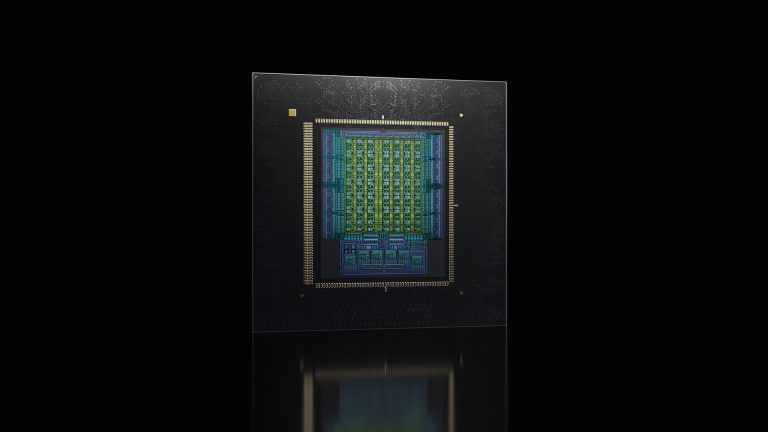
The integration of AI technologies is set to revolutionize the energy sector’s efficiency. NVIDIA’s chips are not only advancing in computational power but also in energy efficiency, providing substantial performance improvements per watt. This innovation enables data centers and AI infrastructures to operate more sustainably and cost-effectively.
Moreover, AI is positioned to streamline grid interconnection processes, reducing the time required from years to mere weeks or hours. This efficiency boost is crucial for maintaining the pace of AI advancements without being hindered by energy distribution bottlenecks.
A Vision for the Future
In the next year, tangible outcomes are anticipated from these initiatives, particularly in fusion energy, novel materials development, and grid interconnection enhancements. These achievements will demonstrate AI’s capacity to drive human progress by creating new opportunities in science and engineering.
While there are public concerns about AI’s impact on electricity costs, Wright argues that AI advancements, alongside increased energy production, will ultimately lower costs and fortify the grid’s resilience. This synergy between AI and energy will empower humans, enhancing their capabilities without replacing them.
The dialogue at the SCSP AI+ Expo marks a significant step towards integrating AI deeply into the energy sector, suggesting a future where AI not only accelerates scientific discovery but also enhances sustainable energy management and production.
Report compiled by EDA Editorial Desk. Content and images sourced from original announcements published by NVIDIA. This analysis constitutes transformative, educational news aggregation.