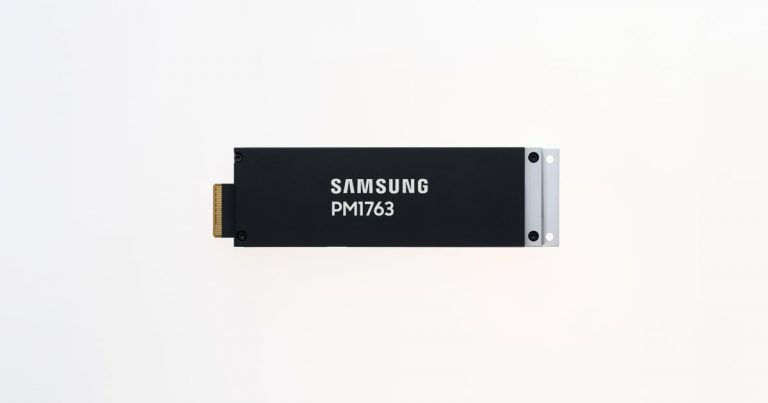
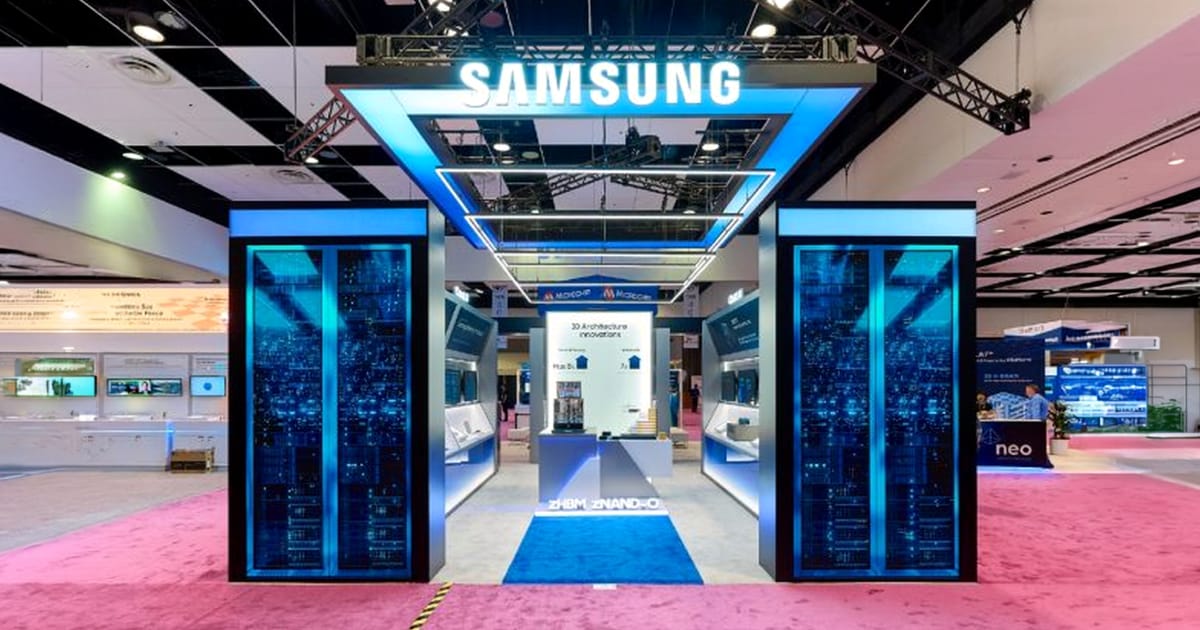
Samsung Electronics Co., Ltd. presented its latest memory technology developments at the Flash Memory Summit (FMS) 2026, introducing concept models such as zHBM and zNAND-O alongside its V10 BV-NAND architecture. This announcement is particularly significant for sectors dependent on high-performance computing (HPC) and AI infrastructure, marking a strong directional push for Samsung in the competitive memory landscape.
Key Highlights
- Samsung's introduction of new memory architectures indicates its strategic focus on dominating next-generation AI infrastructure.
- zHBM and zNAND-O aim to address the growing data processing and storage demands of AI applications.
- The use of 400-plus-layer V10 BV-NAND highlights advanced technological capabilities pushing memory density limits.
- By reducing data travel distance in AI hardware, Samsung is set to enhance performance and energy efficiency.
- Samsung's integrated development approach positions it uniquely to offer comprehensive solutions in the AI era.
The semiconductor industry has been observing a growing demand for more efficient memory solutions due to the increasing complexity and data-intensive nature of AI applications. Samsung’s unveiling of these new architectures addresses this demand by promising advancements in data storage and processing capabilities. Notably, the zHBM architecture aims to significantly enhance performance by stacking high-bandwidth memory (HBM) directly above AI accelerators, offering performance up to eight times that of the existing HBM5.
Samsung’s V10 BV-NAND architecture, integrating over 400 layers and using wafer bonding technology, underscores the company’s emphasis on pushing the limits of memory density and efficiency. These developments align with ongoing trends in the industry focusing on improving data transfer speeds and energy efficiency, which are critical in AI and enterprise storage markets.
The introduction of Samsung’s new memory solutions is poised to challenge competitors in the semiconductor sector, who are also racing to capitalize on the AI boom. With the zHBM and zNAND-O concepts, Samsung is positioning itself to capture a larger share of the AI infrastructure market, although realizing these technologies at scale remains a noteworthy challenge.
Moving forward, industry stakeholders will closely watch Samsung’s progress in optimizing AI processors and further integrating these memory technologies. The company’s ability to deliver on the performance enhancements and seamlessly incorporate these innovations into existing infrastructure will be instrumental in maintaining its competitive edge. Market participants should monitor the potential deployment timeline and any technological hurdles that may impact Samsung’s long-term strategic positioning.
Story by EDA Times Staff. Originally reported by Samsung.