Key Highlights & Insights
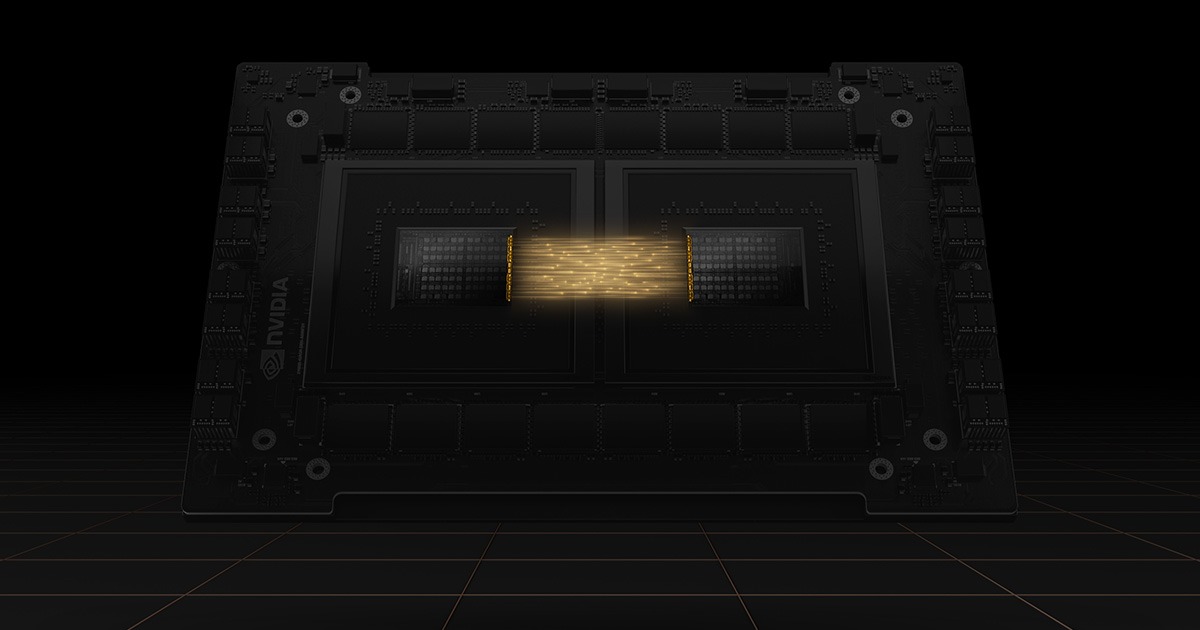
- NVLink-C2C expands NVIDIA's interconnect tech to chip-to-chip communication, enhancing data flow efficiency.
- By enabling coherent, high-bandwidth connections, this tech significantly boosts energy and area efficiency compared to traditional setups like PCIe Gen 6.
- NVIDIA's semi-custom chip designs provide partners with customization flexibility, crucial for advancing AI and deep tech innovations.
- Significant product launches using NVLink-C2C include high-performance systems such as the Vera Rubin NVL72 and GB300 NVL72, promising enhanced AI computing capabilities.
- NVLink-C2C supports industry compatibility with standards like Arm’s AMBA CHI and Compute Express Link (CXL), ensuring smooth interoperability.
Meet NVLink-C2C: Superhighways for Chips
Imagine if your computer’s chips spoke their own secret language, and they had this super-fast network connecting them, letting them share data like passing notes in class. That’s kinda what NVIDIA’s new NVLink-C2C is all about.
This new tech from NVIDIA has taken their well-known NVLink and stretched it out to work between individual chips – not just inside a single machine, but across chiplets in a big way. It’s like they’ve built a high-speed freeway just for data, allowing custom chips to chat directly with NVIDIA’s powerful GPUs and CPUs. What does this mean for us? Well, faster and more efficient supercomputers that can power anything from AI to your favorite video game.
The Ins and Outs of Chip Connections
Okay, let’s break it down a bit. Imagine you’ve got a music playlist you want to share with a bunch of friends. With NVLink-C2C, it’s like having a Bluetooth speaker in every room. Information flows cleanly and quickly without all the clutter and noise, making sure everyone gets the best sound possible. But instead of music, it’s about data for high-performance tasks.
This magic happens thanks to something called “chiplets,” which are like little pieces of bigger chips. They connect through this snazzy interconnect, boosting energy and area efficiency—talking like 6x and 3.5x improvements here! Plus, this interconnect isn’t just fast; it’s super versatile, making connections possible on different scales like PCBs and silicon wafers.
Products That Are Likely on Your Wishlist
NVIDIA’s using this new tech in a few exciting products. Take the Vera Rubin NVL72 or the GB300 NVL72 for example. These bad boys combine like a dream team of GPUs and CPUs, delivering power levels that are truly out of this world. And don’t even get me started on the GB200 Superchip, with its 72-GPU party happening under the hood.
Why You Should Care
If you’re someone who’s passionate about chip design or AI, you know that how chips talk to each other is a big deal. This isn’t just about NVIDIA making faster graphics cards; it’s about pushing the boundaries of what’s possible in computing, paving the road for some serious innovation across industries.
And for those of us keeping tabs on the latest and greatest tech news, it’s developments like these from companies like NVIDIA that EDA Times has got your back on. These changes are about to shape the future in a big way, from smart cars to high-performance computers, and we’re here to break it all down.
So, next time you’re sipping coffee with a fellow geek, you can drop some cool facts about NVLink-C2C and watch as they nod in geeky appreciation!
Report compiled by EDA Editorial Desk. Content and images sourced from original announcements published by NVIDIA-2. This analysis constitutes transformative, educational news aggregation.