Key Highlights
- • Synopsys, with partners Ansys, EMA, and Cesium, contributes crucial simulation and digital twin technology for NASA's Artemis lunar missions.
- • The integration of Ansys Charge Plus with physical testing at EMA's laboratory mitigates risks of spacesuit damage from lunar environment electrostatic discharge (ESD).
- • Cesium's digital twin of the Moon assists in planning lunar communications by simulating RF coverage and addressing potential connectivity issues.
- • Digital engineering technology, embraced by Synopsys, enables rapid innovation and risk reduction, critical for the complex Artemis mission objectives.
Introduction
Synopsys, Inc., a leader in electronic design and engineering solutions, is playing a crucial role in NASA's Artemis program, aiming to establish a sustained human presence on the Moon. By collaborating with prominent tech firms like EMA, Ansys, and Cesium, Synopsys is aiding NASA in addressing significant challenges in lunar exploration, ranging from spacesuit safety to the rollout of a lunar communication network.
Spacesuit Innovation: Safety First
One of the paramount concerns for astronauts involved in lunar missions is the threat posed by the Moon's harsh environment to their spacesuits. Synopsys, in conjunction with Electro Magnetic Applications, Inc. (EMA), is leveraging Ansys Charge Plus software to evaluate and address these risks. This advanced simulation tool models the lunar plasma environment, allowing scientists to predict and mitigate issues related to electrical charging and electrostatic discharge (ESD) on spacesuit systems.
EMA and Synopsys are also utilizing physical testing at the SERE Laboratory to validate and refine these simulations, ensuring astronaut safety from harmful ESD events that can jeopardize mission-critical electronics.
Building a Lunar Communication Network
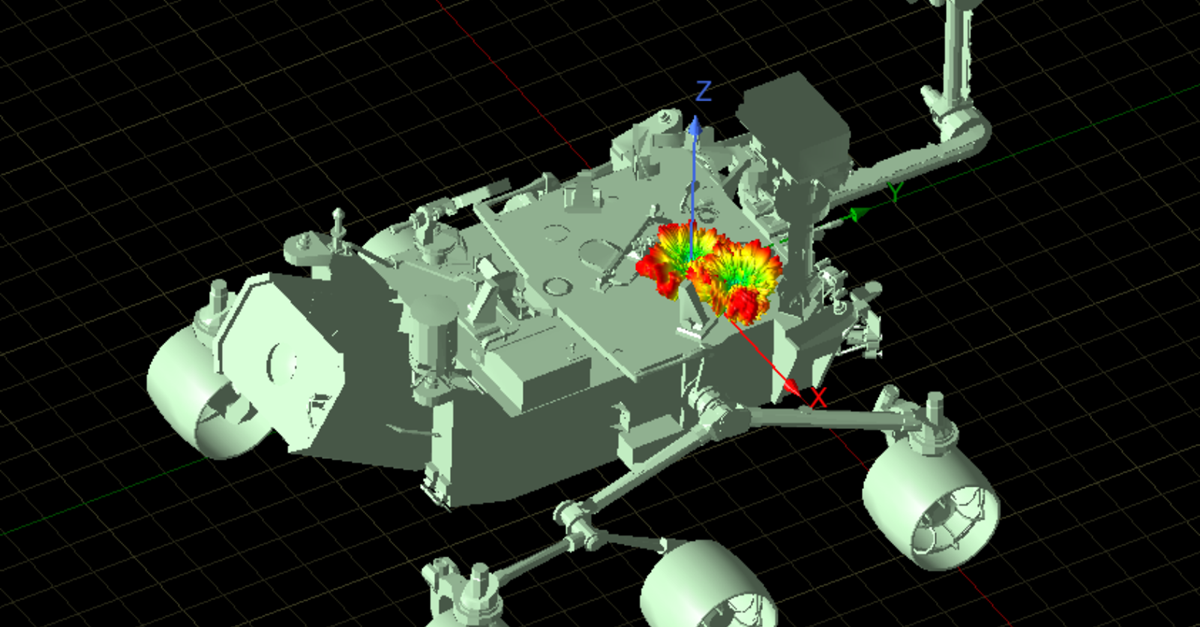
In collaboration with Cesium, part of Bentley Systems, Synopsys is contributing to the development of a digital mission engineering environment essential for establishing a cellular network on the Moon. Ansys HFSS and RF Channel Modeler software are being utilized to simulate high-fidelity antenna models on spacesuits and rovers, offering insights into connectivity across the undulating lunar surface.
This digital twin technology is vital for visualizing and validating RF coverage, ensuring robust communication links in challenging lunar terrain. This technological advance is instrumental for the Artemis initiative, aiming to create a Moon Base supported by reliable communication infrastructure.
Reducing Risks and Accelerating Innovation
By adopting a comprehensive digital engineering approach, Synopsys and its partners are significantly contributing to reducing risks associated with lunar missions. This approach allows NASA to work efficiently and boldly, testing and refining designs virtually before physical implementation. The goal is to fast-track innovation and ensure that the mission's objectives are met with high efficiency and safety.
Jim Bridenstine, former NASA Administrator and advisor for AGI, part of Synopsys, affirmed the importance of digital engineering: "As we move further into the unforgiving and promising environment of space, we need to innovate quickly, boldly, and effectively."
Conclusion
Synopsys's contribution to the Artemis program exemplifies the transformative power of digital engineering in space exploration. By addressing communication and safety challenges in collaboration with tech pioneers like Ansys, EMA, and Cesium, Synopsys is ensuring that future lunar missions are both successful and safe, paving the way for further space exploration.
Visit Synopsys's [website](http://www.synopsys.com/) for more information on their engineering solutions.
Original article and featured image source: Synopsys Newsroom. All content and media are credited to their respective original publishers.