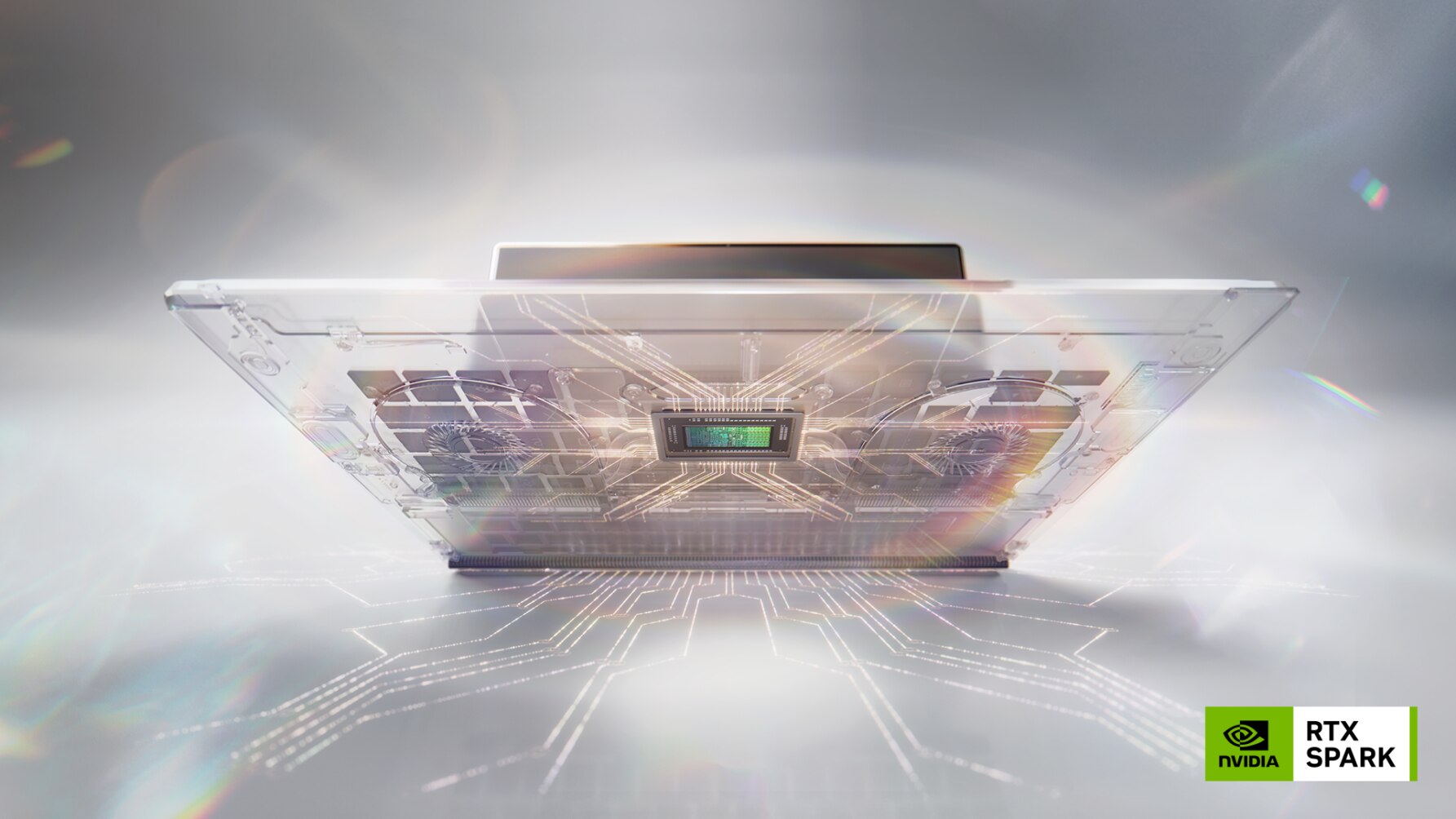
In a significant development for the personal computing sector, NVIDIA has teamed up with Arm to introduce the new RTX Spark, a PC designed to cater to the growing demand for AI-enhanced computing. This launch signals an evolution in personal computing, aiming to seamlessly integrate AI capabilities into everyday workflows.
Key Highlights
- The introduction of RTX Spark underscores a shift towards more AI-integrated PC designs.
- NVIDIA’s involvement highlights the convergence of traditional GPU power with advanced AI capabilities.
- Microsoft's support emphasizes the growing alignment towards Arm architecture in the broader computing ecosystem.
- The move can catalyze more AI applications in mainstream desktops, laptops, and gaming platforms.
- Potential components of success include developing robust software support and tackling ecosystem inertia.
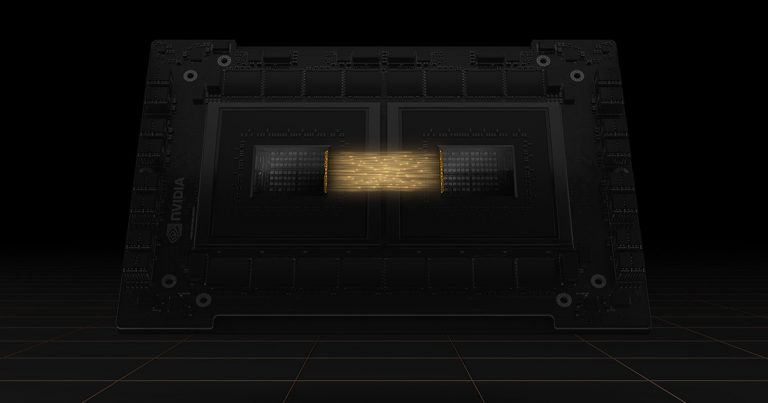
The RTX Spark showcases the use of Arm’s Grace CPU and the Blackwell RTX GPU, marking a departure from traditional x86-based architectures. This design is expected to optimize AI workloads by tightly weaving together CPU, GPU, and memory functions, specifically targeting markets like gaming, content creation, and software development.
The partnership between NVIDIA, Arm, and Microsoft indicates a broader industry trend of diversifying chipset architectures within the PC domain. Each company has its stake in pushing forward AI technologies and breaking traditional paradigms, particularly those rooted in the x86 ecosystem prevalent today. However, while the tech industry stands on the brink of this architectural shift, challenges such as software compatibility on Arm-based PCs remain unresolved.
The introduction of RTX Spark creates significant implications for the PC market. It positions Arm to capture market segments beyond mobile devices, challenging established players like Intel and AMD who have long dominated with x86 processors. However, NVIDIA and its partners must navigate potential market resistance stemming from existing user ecosystems.
For industry professionals, the critical next step is observing the market’s response, especially concerning software optimization efforts and developer engagement. The willingness to adopt Arm-based Windows solutions largely hinges on overcoming technical and cultural inertia.
Ultimately, NVIDIA and Arm’s initiative with the RTX Spark could serve as a catalyst for expanding AI applications within mainstream computing, thanks to strategic partnerships and technological innovations.
Story by EDA Times Staff. Originally reported by ARM.