Key Highlights & Insights
- The partnership between Microsoft and NVIDIA is a significant step forward in enhancing Windows PCs with the inclusion of NVIDIA’s RTX Spark, offering an optimal setup for both developers and AI creators.
- Major updates to Windows, including workload profile scheduling and power frameworks, demonstrate an emphasis on enhancing PC performance and efficiency for advanced computing tasks.
- The forthcoming advancements in the PC app ecosystem underscore a commitment to supporting Arm-based devices with native applications, enhancing productivity for creators.
- Tie-ins with PC manufacturers like ASUS, Dell, HP, Lenovo, and MSI signal a widespread adoption strategy that delivers cutting-edge AI and gaming performance across new thin-and-light laptops.
- Extending AI capabilities to enterprises with DGX Station exemplifies the potential for high-powered AI compute on desk-ready devices, poised to transform local AI work environments.
A New Era for Windows PCs with NVIDIA RTX Spark
Microsoft and NVIDIA have joined forces to introduce an extraordinary advancement in the world of Windows PCs, highlighted by the groundbreaking NVIDIA RTX Spark. This collaboration, announced at NVIDIA’s GTC event, seeks to signpost a new chapter for developers, creators, and AI enthusiasts—laying the foundation for the next generation of powerful thin-and-light PCs.
What Makes RTX Spark Exceptional?
At the heart of this development is the RTX Spark, a powerhouse processor boasting 1 petaflop of AI performance and a full stack of NVIDIA’s graphics technology. It’s equipped with up to 6144 Blackwell RTX cores, 20 Arm architecture-based cores, and a whopping 128GB of unified memory—crafted with Microsoft’s latest enhancements in memory management to fully utilize the system’s potential.
The integration of RTX Spark with Windows unleashes advanced workloads, accelerates AI models, and enhances gaming experiences. This symbiotic relationship aims to cater to the growing needs of developers and creators, providing a platform that effortlessly handles graphically-intensive tasks while maintaining top-tier performance and efficiency.
Performance and Optimization
Microsoft’s collaboration with NVIDIA has led to impressive optimizations on Windows for RTX Spark. Through features like workload profile scheduling (WPS) and enhanced Microsoft Power and Thermal Framework (MPTF), users can benefit from superior performance and power management. These features promise to allow the CPU to handle various tasks efficiently, whether it’s checking emails or debugging code locally.
Furthermore, the updates extend to the realm of gaming, with DirectX 12 advancements including neural rendering and optimized ray tracing, offering a premium gaming environment on Windows PCs.
Expanding App Ecosystem and PC Adoption
The RTX Spark launch is paired with substantial growth in the app ecosystem. Microsoft and its partners have worked tirelessly to ensure broad application support for Arm-based devices. Creatives can expect a smooth transition with native support for applications such as Adobe Photoshop and Premiere, among others.
Game developers aren’t left behind either, as popular game platforms like League of Legends and VALORANT are set to grace these new platforms. This initiative is poised to meet and exceed the performance expectations of both creative professionals and gamers.
Pioneering PCs for Tomorrow
Leading PC manufacturers, including Microsoft Surface, ASUS, Dell, HP, Lenovo, and MSI, are set to premiere new devices powered by RTX Spark. These PCs promise to offer unparalleled performance, long battery life, and the AI-powered experiences developers and creators need.
DGX Station Expansion
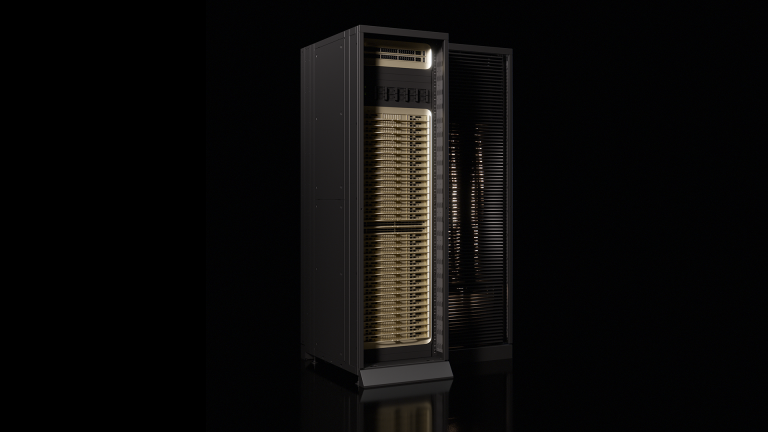
Moreover, the potential of RTX Spark stretches beyond desktops. Microsoft and NVIDIA aim to extend these innovations to the enterprise-level with the introduction of DGX Station, touted as bringing AI supercomputership to desktop configurations like never before. This groundbreaking feature could redefine AI performance on Windows, making previously cloud-exclusive capabilities readily accessible.
In their partnership, Microsoft and NVIDIA aim to make a monumental leap in AI and computing by broadening Windows’ scope on NVIDIA GPUs, establishing a central role for this cutting-edge software in future workflows.
Report compiled by EDA Editorial Desk. Content and images sourced from original announcements published by NVIDIA-2. This analysis constitutes transformative, educational news aggregation.