Key Highlights & Insights
- AI factories passively convert energy into intelligence, redefining industry standards of infrastructure.
- Real-time, always-on inference with autonomous agents reshapes AI workloads, demanding more from infrastructural design.
- The success of AI factories hinges on extreme codesign, optimizing every component to maximize output and minimize costs per token.
- NVIDIA's partnerships have expanded the AI factory ecosystem, making advanced AI production accessible across industries.
- AI factories signify an industrial shift where intelligence production parallels past energy-to-power transformations.
Introduction: A New Era of Infrastructure
In the rapidly evolving technology landscape, the concept of AI factories is emerging as an essential infrastructure analogous to power plants during the industrial revolution. Designed to produce ‘intelligence’ through refined AI models and systems, these factories operate on a paradigm where efficiency and productivity are measured through ‘tokens’ — the fundamental units of AI output. As industries shift towards this model, AI is transitioning from being a mere software layer to essential infrastructure that underpins future economic growth.
The Architecture of AI Factories
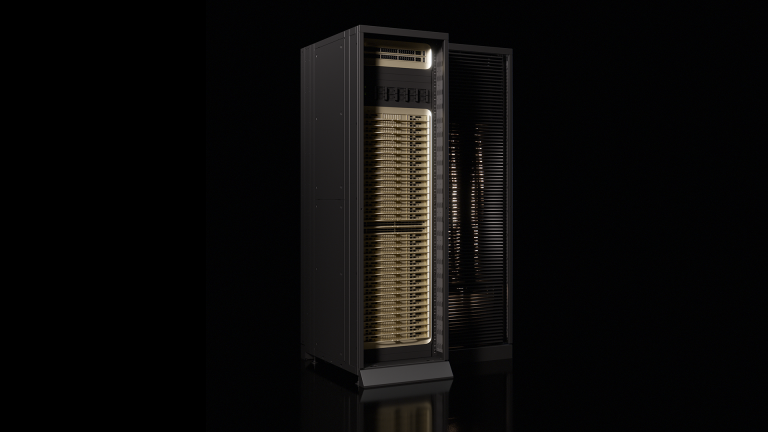
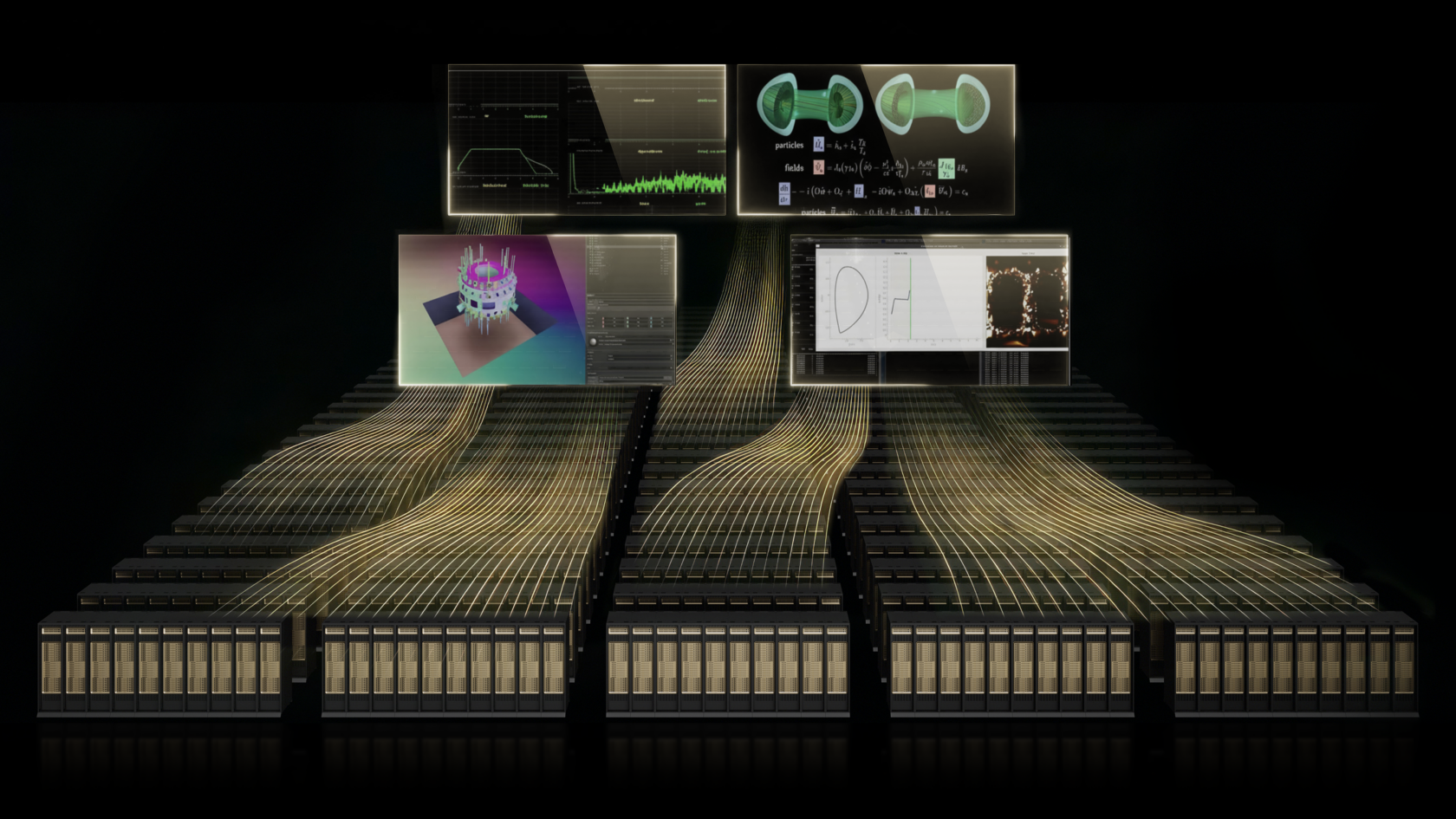
AI factories are high-scale infrastructures built around powerful compute resources that enable real-time intelligence production. They synchronize massive computing capabilities to handle billions of requests, primarily composed of autonomous, multi-agent systems that function continuously. These systems are not only built to fulfill inquiries but to simulate reasoning, plan, and execute intricate tasks across various domains. By leveraging open and proprietary models like NVIDIA Nemotron, AI factories allow enterprises to customize and optimize solutions tailored to specific needs, ensuring seamless deployment and execution of AI-driven tasks.
Continuous Intelligence Production
The continuous production of intelligence in AI factories is possible through an integrated and optimized stack encompassing models, compute, networking, software, and cooling solutions. This full-stack optimization is vital for maintaining a steady flow of intelligence, ensuring each component works synergistically for peak output. The use of autonomous agents generates synthetic training data which is crucial for teaching autonomous systems to handle edge cases effectively, further enhancing the capabilities of AI factories.
Advancements in Inference and Codesign
As AI continues to grow more complex, inference has become an orchestration challenge, requiring systems to operate in real-time to meet interactive and prolonged workload demands. In this infrastructural evolution, AI factories are engineered with extreme codesign — a method in which hardware, software, and other components are co-developed to maximize performance and minimize costs per token produced. This collaboration across the tech stack enhances performance per watt, becoming a pivotal measure of competitiveness for AI factories.
Real-world Impact and Economic Implications
NVIDIA’s introduction of the Blackwell Ultra GPU is key in delivering significant improvements in output per unit of infrastructure investment. By producing more tokens per watt, these systems lower the unit production cost, enabling business scalability and increasing revenue generation through enhanced performance per infrastructure cost. With partnerships with major tech giants like Cisco, Dell, HPE, Lenovo, and Supermicro, NVIDIA is expanding the reach and capabilities of AI factories across diverse industries.
Conclusion: A Future Powered by AI Factories
AI factories symbolize a new era where energy is transmuted into intelligence rather than mere power—a reflection of the paradigm shift towards more efficient, scalable, and intelligent infrastructures. As these factories become standardized, businesses across all sectors, from finance to life sciences, will either build or integrate AI factories to sustain growth and innovation. These infrastructures are set to redefine productivity and economic advancement in the AI age, extending AI’s role from an auxiliary tool to a core component of daily operations across industries.
Report compiled by EDA Editorial Desk. Content and images sourced from original announcements published by NVIDIA. This analysis constitutes transformative, educational news aggregation.